Why Winning the First World Cup Bet Matters
More Than Winning Attention
How early should we launch? How much promotional pressure is enough? How do we make sure we are present in the run-up to kickoff? How do we stay front of mind while the hype builds?
These are sensible questions.
They are just not the most important ones.
The more commercially important question is this:
How do we become the place where the player places their first World Cup bet?
Because that first bet is one of the most decisive moments in the whole tournament lifecycle.
Winning attention is useful. Winning the first bet is more valuable.
The first World Cup bet is not just another conversion.
It is often the moment where tournament intent becomes behavior. Once a player places that first event-specific bet with an operator, the relationship tends to become more stable for the rest of the tournament:
the app is open
the wallet is ready
the market journey feels familiar
the operator becomes the default place to return to for the next match
That is why first-bet conversion is not only about one action. It is about who becomes the operator of habit during the tournament window.
And that window is short.
The World Cup does not give operators months to recover from weak execution. It creates a compressed decision period where familiarity, relevance, and ease of action matter more than broad promotional volume.
It is easy to mistake awareness for advantage.
Around a major tournament, attention rises across the whole category. More people are talking about football. More people are exposed to teams, players, rivalries, and national narratives. Casual users get closer to the category. Dormant users start to notice it again. Media and retail environments reinforce the event constantly.
But attention is not the hard part.
The hard part is converting ambient interest into the first meaningful action.
That is where weak execution often shows up:
broad promotions before the player is ready
too much communication too early
poor fit between audience type and message
no clear path from awareness to first bet
too much emphasis on campaign presence, too little on timing and market relevance
A player does not need to see everything. They need to see the right thing at the moment their intent starts to form.
There is a common assumption in big-event planning that earlier is always better.
It is not.
Starting early only helps when it builds recognition without exhausting the player before the tournament feels real. If operators begin too aggressively, they create fatigue before demand is mature enough to convert.
This is particularly risky with casual and event-led audiences. These players are not following qualification stories, squad announcements, or pre-tournament press cycles in the same way regular bettors do. Push too hard too early and the brand becomes background noise before the first match has even kicked off.
The right lesson is not “wait until kickoff.” It is “do not confuse early pressure with early advantage.”
Starting too late has a different cost.
If an operator only becomes visible once the tournament is fully underway, they are trying to convert at the exact moment another operator may already have won the first bet, the wallet setup, and the routine.
That makes late entry expensive.
By then, the player may already have:
placed an opening bet elsewhere
settled into a preferred market journey
become accustomed to another brand’s match-day experience
stopped evaluating options because the first useful one already worked
The better approach is to show up as intent begins to rise — not before relevance exists, but not after another operator has already turned that intent into action.
Another reason first-bet strategy is often mishandled is that operators treat all pre-tournament audiences as if they convert in the same way.
They do not.
Habitual sportsbook users
These players may already be primed to act. What they need is not education. It is relevance and discovery. The right market, the right player prop, the right same-game or accumulator entry point.
Casual fans
These users may not need depth. They need simplicity. A recognizable match. A familiar story. A reason to care.
Dormant event-led users
These players already know the brand. The challenge is not awareness. It is re-entry. They need a reason to come back that feels timely and relevant, not generic.
Casino-first users
For this audience, the World Cup may be one of the few sports moments big enough to break through. The route to first action has to feel simple and natural, not jargon-heavy or forced.
This is why “first-bet strategy” is not just a media or campaign problem. It is an experience design problem too.
The strongest operators do not try to win every touchpoint. They optimize a small number of decisions that improve the chance of becoming the first useful operator.
That usually means:
identifying which players are showing rising event interest
adjusting communication pressure by audience type
building familiarity without over-contacting
surfacing the most relevant event, market, or story
reducing friction into first action
making sure the first betting experience feels intuitive
The commercial value is clear. With VAIX personalization in place, Bilyoner saw a 20.5% increase in average clicks, an 18.0% increase in average bets placed, and a 14.9% increase in total amount wagered. Those are not universal promises. But they are a strong illustration of what happens when relevance improves before action takes place.
VAIX improves the decisions that sit between awareness and conversion.
It helps operators:
identify rising intent earlier
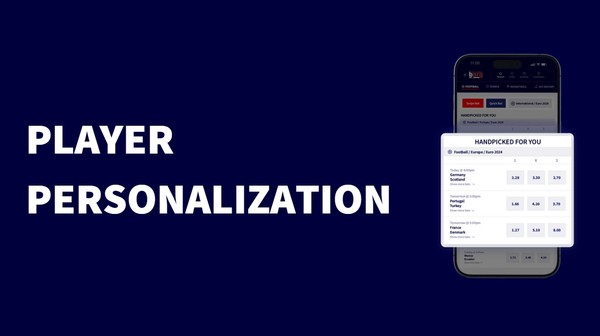
recommend more relevant bets and markets
connect players to the right match or content
improve discovery before and during the tournament
reduce guesswork in the run-up to kickoff
That matters because the operator does not need to win every interaction.
They need to win the one that matters.
The first World Cup bet is where attention starts to become tournament value.
If retention, relevance, and player value are on your agenda, we’d be glad to talk.